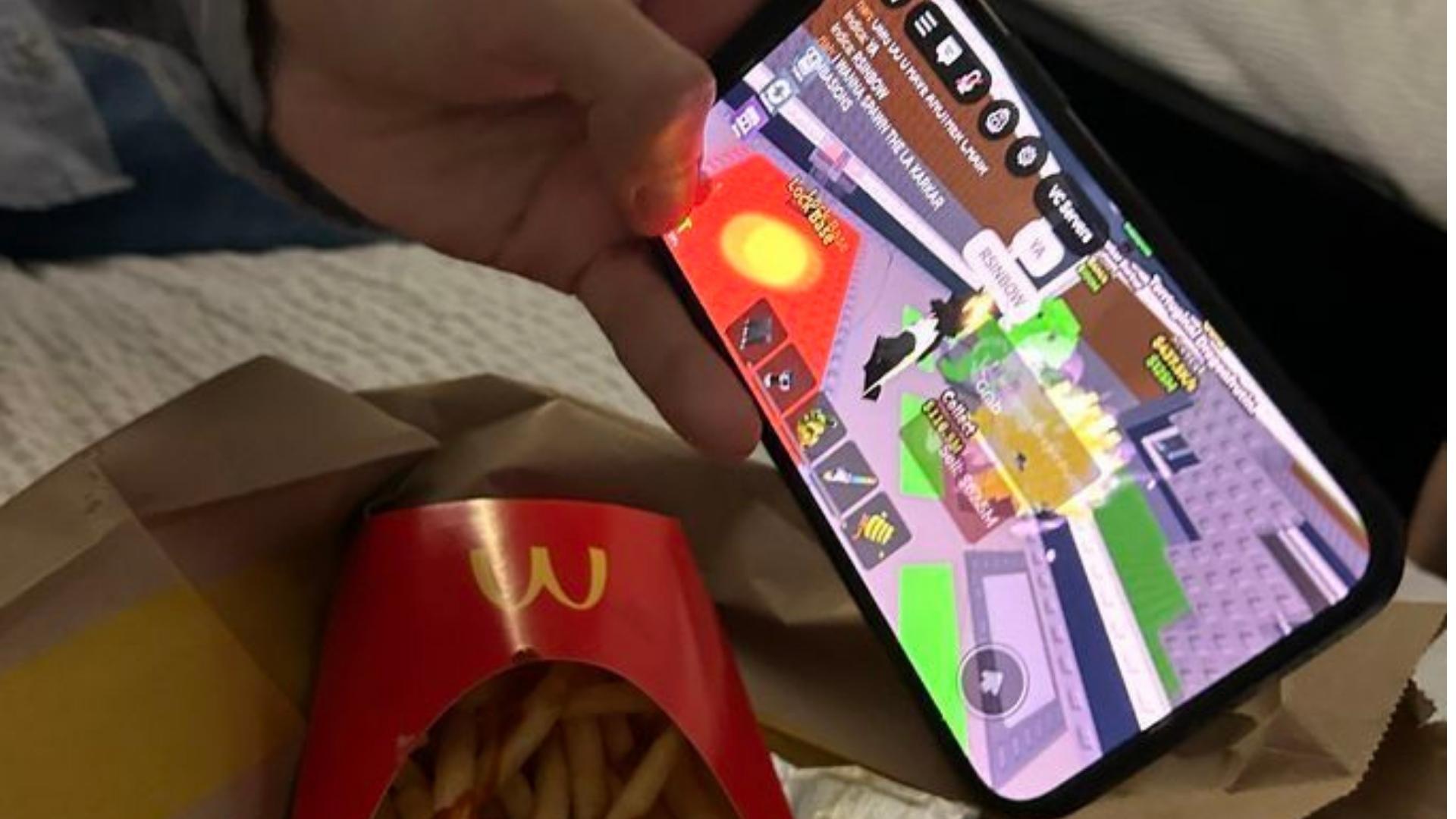
The landscape of digital entertainment is undergoing a monumental shift, driven largely by innovations within the portable gaming sector. As smartphone hardware and network capabilities achieve unprecedented milestones, portable titles are transitioning from simple pastimes into advanced hubs that influence the entire industry. These advancements are redefining how global audiences connect, compete, and consume interactive content on a daily basis.
The Evolution of Cross-Platform Ecosystems
Modern mobile development has broken down the traditional barriers that once separated handheld titles from major home consoles. Developers now build sophisticated virtual worlds capable of running simultaneously across smartphones, personal computers, and dedicated hardware. This seamless integration ensures that player communities remain unified, regardless of the physical device they choose to use.
Furthermore, this interconnected nature encourages a more sustained level of engagement from global participants. Gamers can effortlessly manage their progression throughout busy daily routines, switching setups without losing dynamic data. Consequently, this design approach has established a new standard for accessibility that major industry publishers are forced to follow.
Technological Integration and Visual Fidelity
The rapid adoption of advanced real-time rendering systems has elevated the visual quality of portable titles to competitive heights. Smartphones are now equipped with dedicated computing chips capable of processing complex lighting systems, realistic physics engines, and expansive digital maps. This hardware evolution allows creative designers to craft immersive experiences that rival older desktop simulations.
As these visual standards continue to rise, the overall expectations of the digital community adapt accordingly. Casual enthusiasts are gradually turning into dedicated participants who expect deep mechanics and fluid performance from every digital storefront. This ongoing technological push guarantees that mobile frameworks will remain at the forefront of digital entertainment development.
Community Synergy and Decentralized Hubs
Beyond traditional gameplay loops, contemporary mobile projects function as highly interactive social platforms that foster authentic global neighborhoods. These interactive frameworks provide built-in voice systems, collaborative guild networks, and player-driven economies that keep audiences engaged for months. For many users, accessing these systems becomes a daily ritual centered around community teamwork.
To optimize their overall experience, many enthusiasts utilize external digital platforms to exchange tactical insights and review performance benchmarks. For instance, individuals frequently check the login situs m88 portal to stay updated on competitive tournaments and community-driven events. Utilizing these unified digital spaces helps participants maximize their strategic growth within their favorite virtual environments.
The Proliferation of Live-Service Architecture
The widespread success of modern portable gaming relies heavily on flexible live-service models that prioritize consistent content updates over immediate monetization. Development teams carefully monitor active player behavior to introduce seasonal modifications, narrative expansions, and balanced competitive adjustments. This responsive strategy preserves long-term interest and prevents digital environments from becoming stale or repetitive.
Ultimately, these evolving trends demonstrate that handheld development is no longer just a secondary branch of the broader entertainment market. By combining technological power with community accessibility, mobile innovations are successfully dictating how future digital worlds will be constructed. The ongoing transformation ensures a highly connected, fluid, and immersive future for global entertainment.