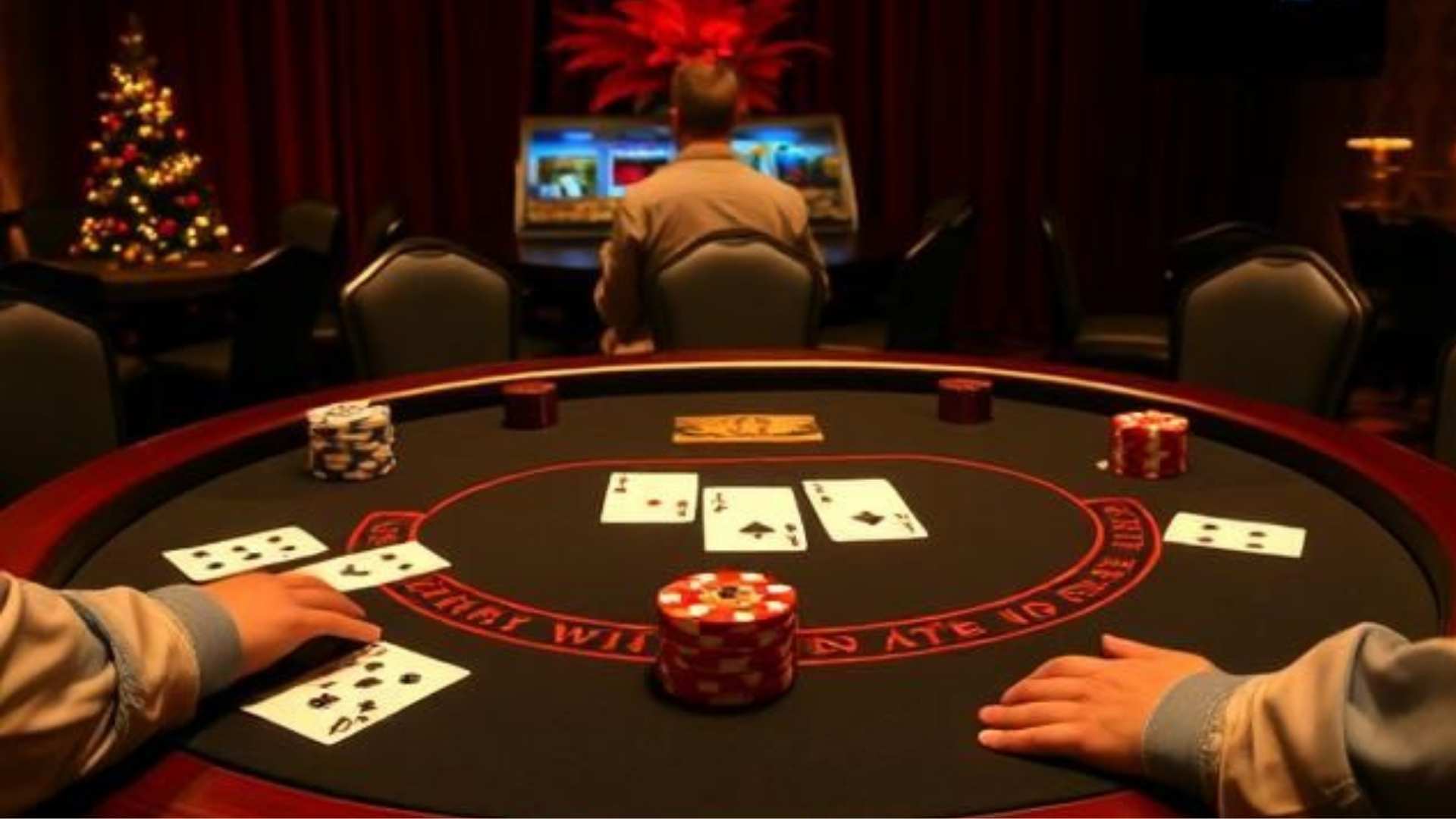
Preparing for a competitive bridge tournament requires more than just knowing how to play your cards. Success at the table is the result of structured training, physical stamina, and strong partnership coordination. By adopting systematic preparation techniques, players can significantly reduce mental fatigue and improve their decision-making during long events.
Refining Partnership Conventions
A crucial step in tournament preparation is establishing clear and unambiguous bidding agreements with your partner. Misunderstandings during the auction phase are among the most common sources of lost points in high-stakes matches. Spending time reviewing defensive signaling and complex bidding sequences will build mutual trust before the event begins.
Many dedicated players also find that engaging in supplementary analytical exercises helps sharpen their overall strategic focus. For those who want to practice logical reasoning and card placement strategies online, visiting a reliable platform like login situs m88 can offer valuable mental stimulation. Ultimately, the more scenarios you and your partner discuss beforehand, the fewer surprises you will face at the table.
Simulating Tournament Conditions
Practicing in a relaxed home environment rarely replicates the intense pressure of an active tournament room. To build genuine resilience, players should participate in timed simulation sessions that mimic the official pace of competitive play. This training helps you manage your thinking time efficiently and prevents panic when a difficult hand arises.
In addition to strict timing, simulators force you to maintain concentration over several consecutive hours. Learning to recover quickly from an inevitable mistake is a hallmark of an experienced tournament competitor. Developing a short mental routine to reset your focus between rounds can save valuable match points.
Focusing on Physical and Mental Endurance
Because bridge is an intellectually demanding mind sport, physical well-being directly impacts your tactical performance. Proper hydration, balanced nutrition, and sufficient sleep are vital components of any successful preparation strategy. Players who neglect their physical health often experience a sharp decline in concentration during the final sessions of a multi-day event.
Mental preparation should also include techniques for managing stress and maintaining a positive attitude. Regular breaks away from the card table allow your mind to rest and process complex strategies. Approaching each round with a calm, rested perspective is often the deciding factor in securing a podium finish.